I’m Akhil.Hello! I’m Akhil. I’m currently at Personio, where I split my time between leading product work and making it easier for the design team to do great work.
Before this, I was at Google for ~8 years, where I helped scale new products from concepts to nearly half a billion users.
I thrive in early-stage environments where there’s clearly an opportunity, but it’s not yet obvious what to build or how to get there. I take the work seriously, but I don’t take myself too seriously. Good things are built when you’re having fun :)
work
Here’s a brief overview of what I’ve done over the last few years. If you’d like to learn about any of these projects in more detail, you can reach me by email.
Turning around a struggling core product
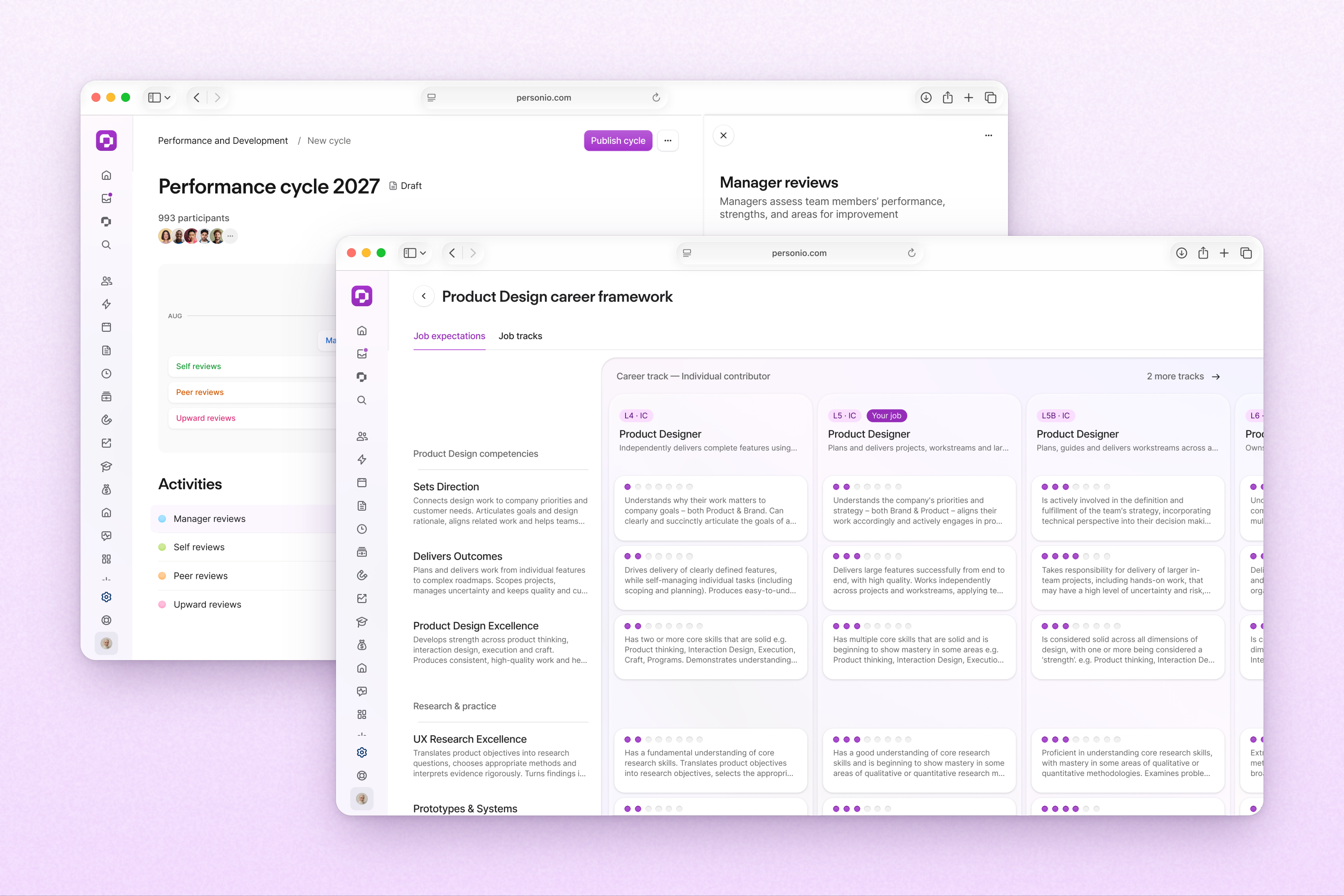
Personio’s Performance & Development product had become hard to understand and use, and was missing key features that were costing us new deals. During my first year at Personio, I led a series of releases that substantially improved customer satisfaction, closed key gaps blocking sales and built a foundation for the product’s next stage of growth.
Loading artwork…
Improving how the design team builds
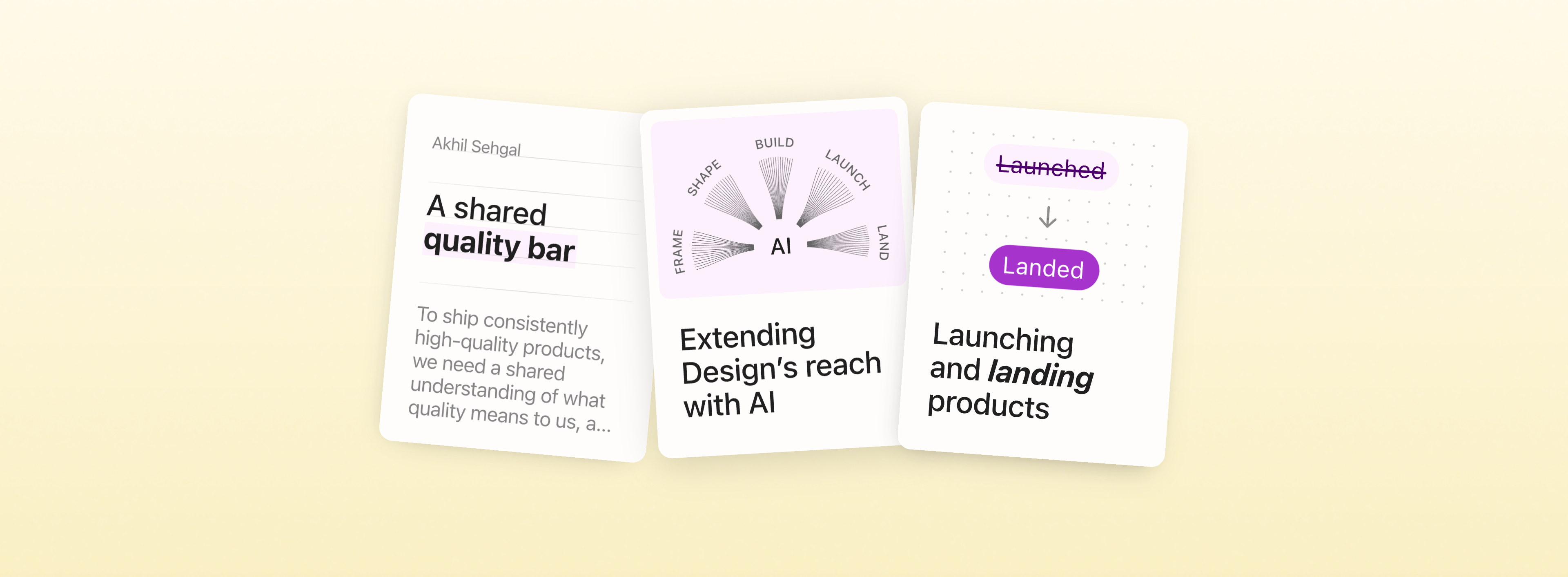
Alongside product work, I’ve helped change how we work at Personio whenever I saw teams getting stuck. Sometimes that has looked like setting shared standards for launch quality and making them part of how teams build and ship. Other times it has meant making teams more outcome-focused, not just launch-focused. More recently, I’ve led enablement to help the design team expand their influence across the product development cycle using AI.
Loading artwork…
Finding Google’s next billion users
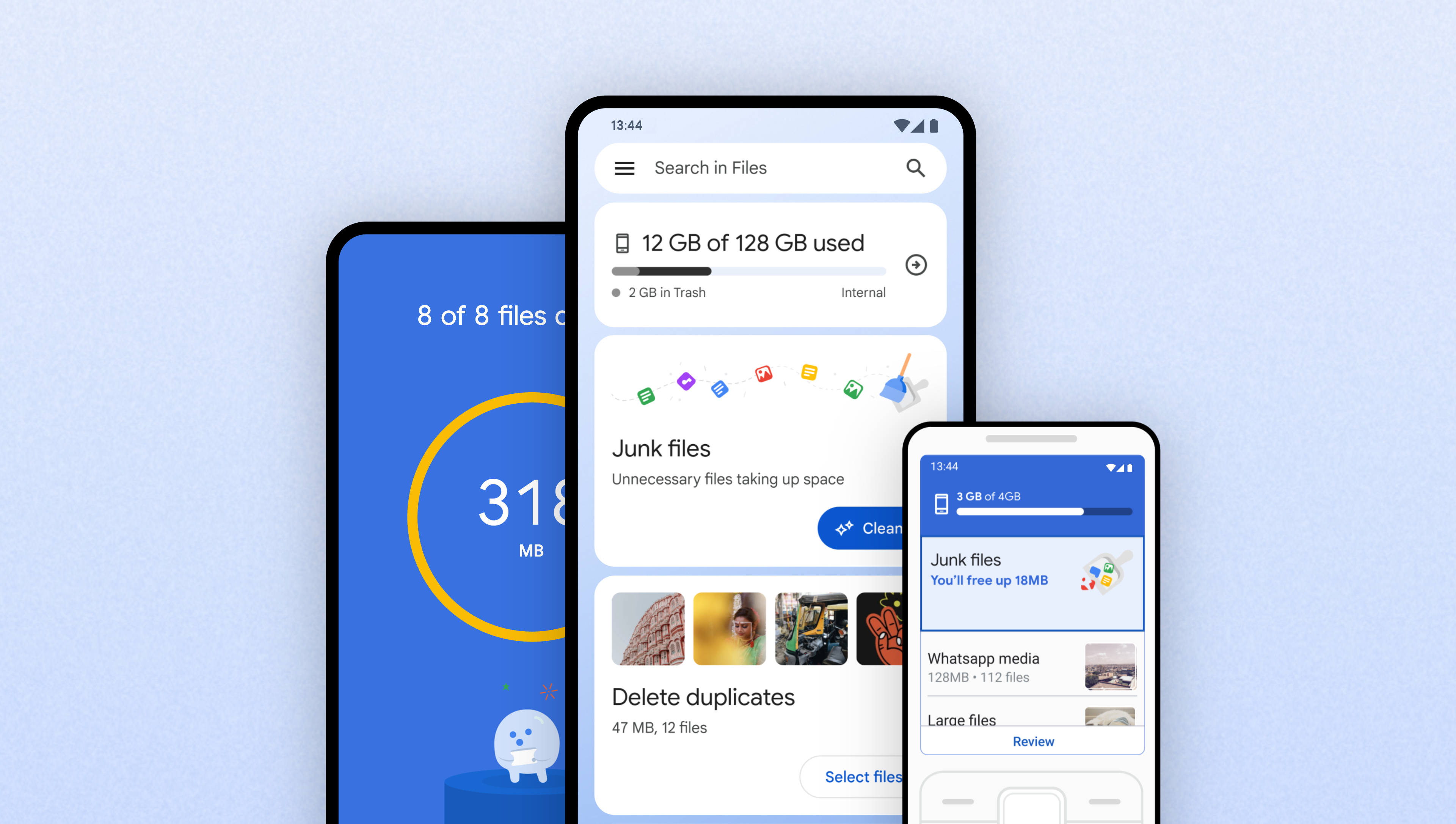
I worked on Google’s Next Billion Users team, helping Google reach people coming online for the first time by making technology more accessible and useful to them. The team operated as a product incubator, and I got the chance to explore and launch new products in areas like entertainment, utilities, employment and commerce. Among these was Files by Google, where I was the founding designer. I helped grow it to over 400 million monthly active users, and it became Google’s highest-rated app during my time.
Loading artwork…
Unlocking growth in Brazil with two new ways to pay in Wallet
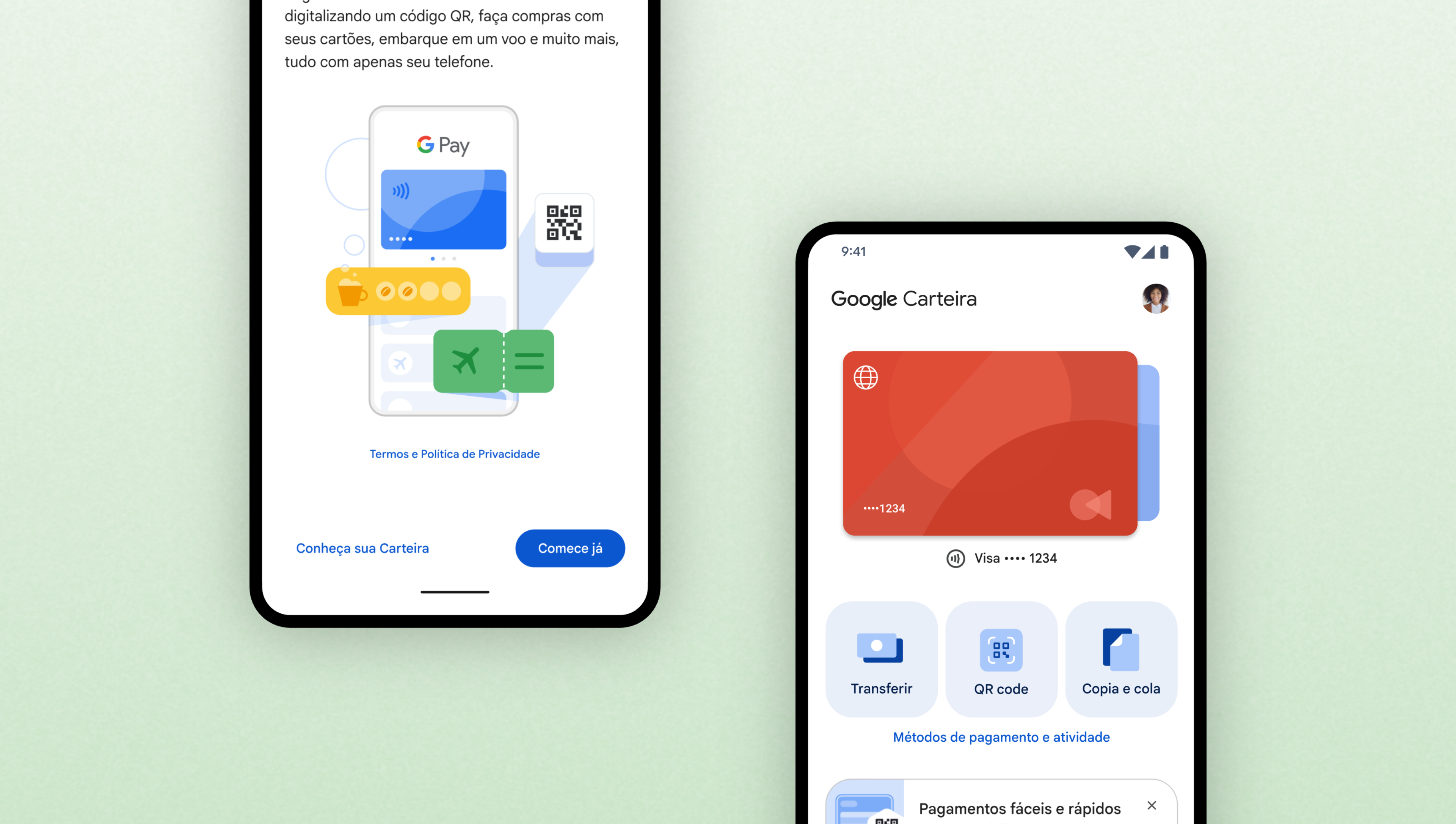
Brazil was a priority market for Google, but Wallet didn’t support key local payment methods, and many people’s phones couldn’t use its tap-to-pay feature. I led design for two new ways to pay, Pix bank transfers and card payments via QR, working with local banks and Google’s regional and global teams to define and launch both experiences. Together, they opened Wallet to millions more users in Brazil.
Loading artwork…
Not work
These days, I oscillate between giddy excitement about what is now possible to build, and low-grade sense of impending doom. Anyway, the result of both these feelings is tens of side projects in parallel - Here’s few that have made it out alive.
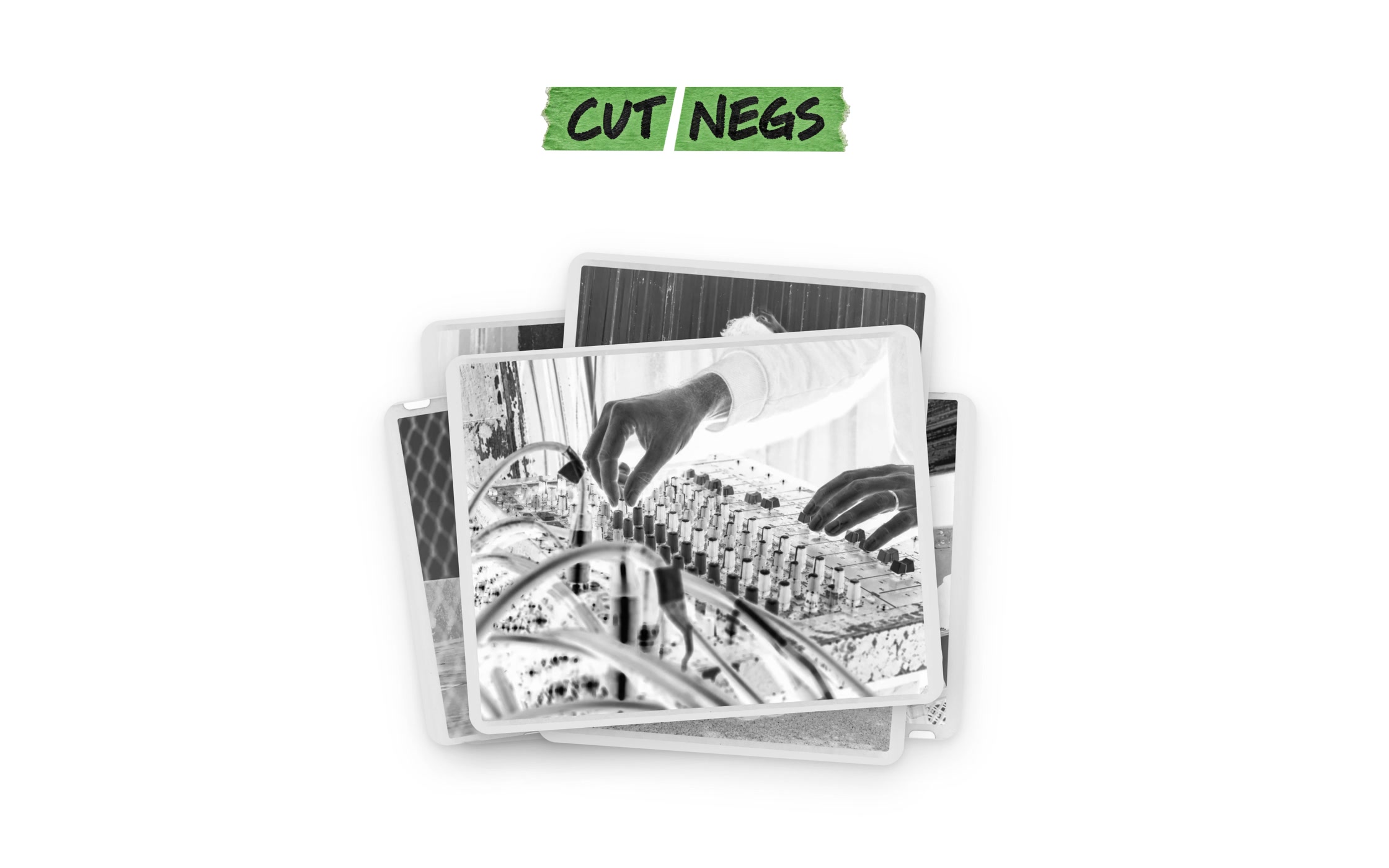
If you’re a film photographer and have never developed and scanned your film at home, congratulations, you are a sane person. But as someone who does develop and scan their own film, one of the annoying parts about this process is that once I get my images onto the computer, there’s still cleanup to do before I can see the final results: you need to crop the borders, invert the image, and straighten it. See the example below of a raw, unfinished scan.
Loading artwork…
You would think the common photo editing tools would have this functionality baked in, but alas they don’t. Fortunately, we live in an era of personalised software, so I went and spun up a few agents and built something just how I wanted it (instead of just shooting digital, because we must go deeper into this rabbit hole).
Processing your scansAll scans are processed locally on your device.DSC03518.ARW0 of 21Loading artwork…
The solution
I wanted to keep editing in Lightroom, but start with my images already cropped, rotated and inverted. CutNegs analyses the image and saves those adjustments as instructions in the image metadata, so they’re applied when I open the photos in Lightroom or most common editing software. I can tweak anything it hasn’t quite got right because it’s not permanently changing the original image.
One of the enjoyable parts of making the app was building a small Design Lab around the app’s actual components. It let me tune the timing, easing curves and spring physics of the app’s micro-interactions, from how the film strip advances to how the finished photos fan out and react to the cursor, while watching each one respond. It was a faster way to refine the motion than describing every adjustment to an LLM.
Other approaches I considered
I did wonder whether this app needed to exist at all, or whether I could just use the latest AI model to prepare my scans each time. That worked, but it had drawbacks for something I wanted to release as a free tool: the images couldn’t be processed locally, and the cost added up quickly with big batches. Eventually, conventional image processing proved sufficient for this constrained problem.
What’s next
Next, I want to see whether a small on-device model can find frame edges more reliably than hand-tuned rules. That needs lots of real scans, so if you’re shooting and developing film in this economy, please give it a go and send me some of yours ;)
 Loading artwork…